
Web Rental Fit · webrentalfit.com/checklists/weather-prep-checklist.html
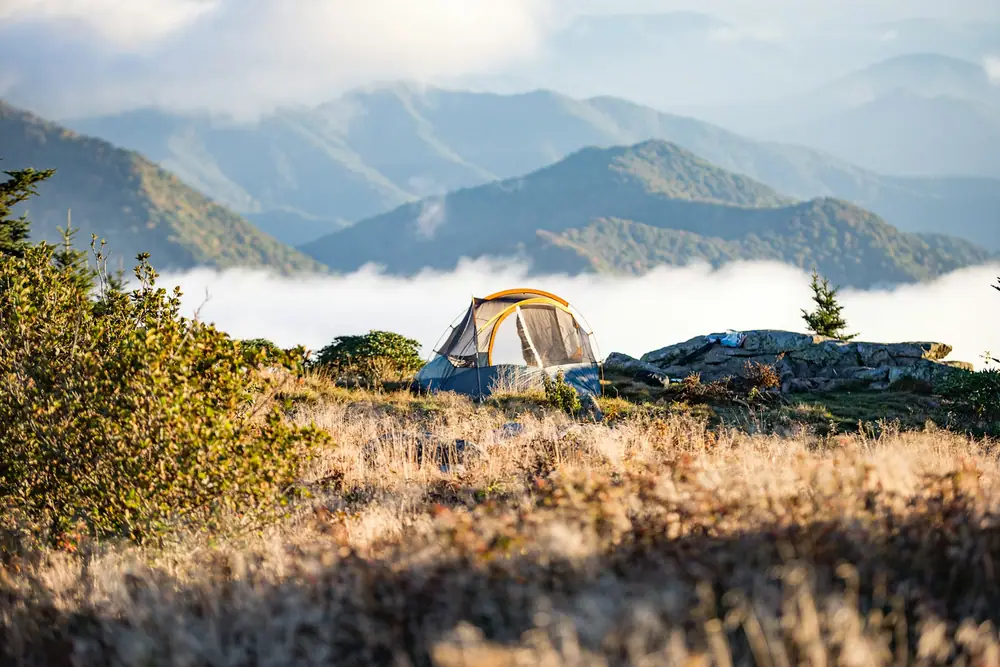
Weather is the single biggest variable on a camping trip, and beginners often plan for the daytime high when the number that decides comfort is the overnight low. Temperatures in open country and at altitude can fall much more after sunset than they do in town, and a clear night is usually a cold one.
Use the core list below for every trip, then add the section for the conditions in your forecast.
Every trip
Rain
Cold nights
Heat
Wind
Storms & leaving
Reading a forecast like a camper
Look for four numbers: the overnight low, the chance of rain, wind speed and gusts, and any watches or warnings for your area. Mountain and lakeside campgrounds often have their own forecast point on the National Weather Service website, and it is worth finding it rather than relying on the nearest town. If the campground has a ranger station or office, a quick phone call the day before can tell you about local conditions like flooding or fire restrictions.
Quick guide: what to add for each forecast
| Forecast says | Add to the car | Change at camp |
|---|---|---|
| Rain likely | Tarp, cord, extra socks, waterproof bags | Pitch on slightly higher ground; cook under the tarp |
| Low below 45°F | Extra pad, warmer bag or liner, hats | Eat a warm dinner; get into dry clothes before bed |
| High above 85°F | Extra water, shade canopy, electrolyte drinks | Rest in shade mid-day; cook early or late |
| Gusts above 25 mph | Extra stakes, longer guylines | Low tent profile; avoid pitching under trees |
Those thresholds are simple planning prompts, not safety limits. Your own comfort, your gear and the site's exposure all shift where the line sits.
"My tent is wet inside" — condensation, not a leak
On cool, still nights your breath and body heat create moisture that condenses on the inside of the tent. It is the most common first-trip surprise. Open the fly vents, crack a door zipper a few inches, and avoid bringing wet clothes into the sleeping area. Wipe the walls with a small towel in the morning and let the tent air out before packing.
Set the turn-back rule at home
Decide before you go what will make you leave early, for example "a severe weather warning", "the tent floor gets wet", or "anyone is too cold to sleep". Deciding in advance takes the pressure off in the moment, and heading home early is a perfectly good outcome for a first trip. You can always come back.