
Web Rental Fit · webrentalfit.com/checklists/gear-basics-checklist.html
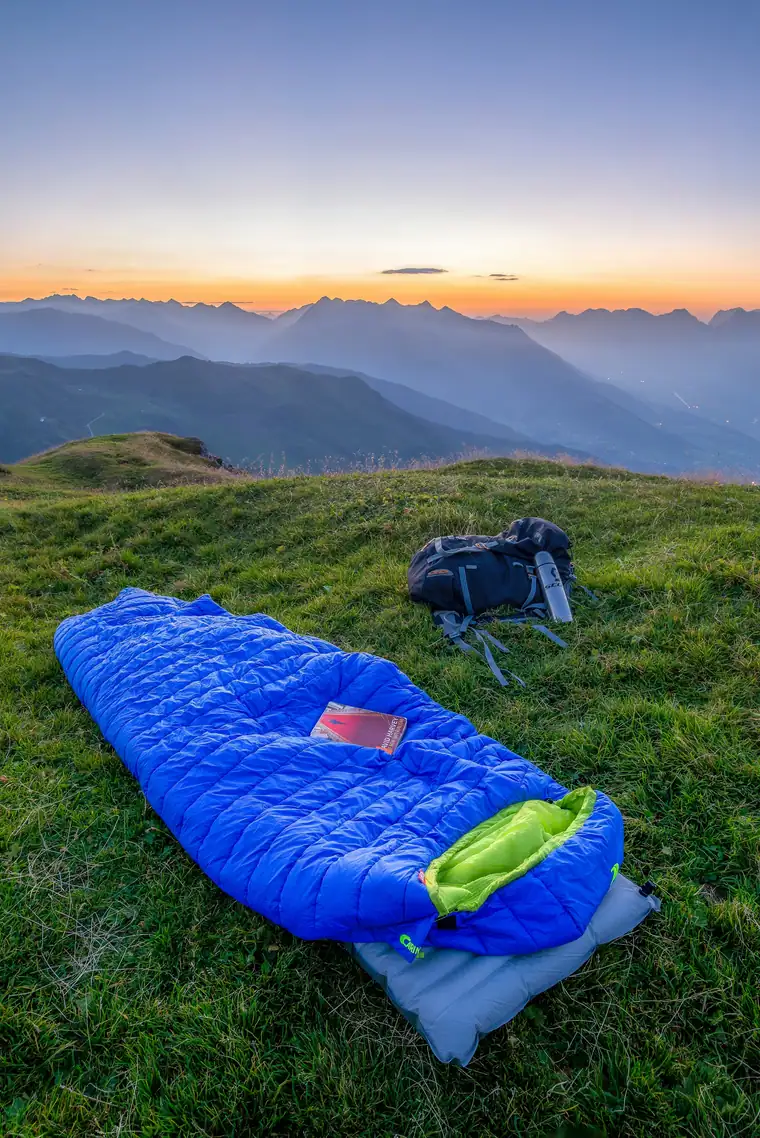
Camping stores are full of clever gadgets, and it is easy for a beginner to walk out with a cart full of things that never leave the box. The fix is to think in systems rather than items. If each of the six systems below is covered, you are equipped for a first trip at a developed campground in mild weather. Everything else is optional.
For each item we note whether it is typically worth buying, borrowing or renting for a first trip. Those notes are rules of thumb, not rules; your budget, storage space and how often you expect to go will change the answer.
Shelter system
Sleep system
Kitchen system
Light system
Clothing system
Safety & comfort
Why systems work better than shopping lists
A long gear list treats a sleeping pad and a spork as if they were equally important. They are not. A system view makes the priorities obvious: if the sleep system is weak, the whole trip suffers, however nice your camp kitchen is. It also makes gaps easy to spot. Looking at the list above, you can quickly ask: can I stay dry, warm, fed, able to see, and safe? If yes, you are ready.
If you buy only three things
For most new campers, three purchases give the most value for money and are used on every single trip:
- A good insulated sleeping pad. The ground pulls heat from your body far faster than air does. Sleeping pads list an R-value; higher numbers insulate more. A pad in the middle of the range is a sensible all-around choice for three-season camping.
- A headlamp for each person. Hands-free light changes everything, from cooking to finding the bathroom at 2 a.m.
- A waterproof jacket. You may already own one. If not, it is useful well beyond camping.
Tents, sleeping bags, stoves and coolers are larger, pricier and easier to borrow or rent while you work out what kind of camping you enjoy.
Skip for now
- Hatchets and saws: most campgrounds sell firewood already split, and many prohibit cutting.
- Specialist cookware sets: one pot and one pan cover beginner meals.
- Large power stations: a phone power bank is plenty for a weekend.
Test everything at home
Pitch the tent in the yard or living room. Inflate the pad and leave it overnight to see if it goes soft. Light the stove outdoors and boil a pot of water. Put new batteries in every light. Twenty minutes of testing at home saves you from discovering a missing pole or empty gas canister in a dark campsite. Then pack each system into its own bag or tub, labeled, so you can find things quickly and repack easily at the end.