
Web Rental Fit · webrentalfit.com/checklists/first-night-checklist.html
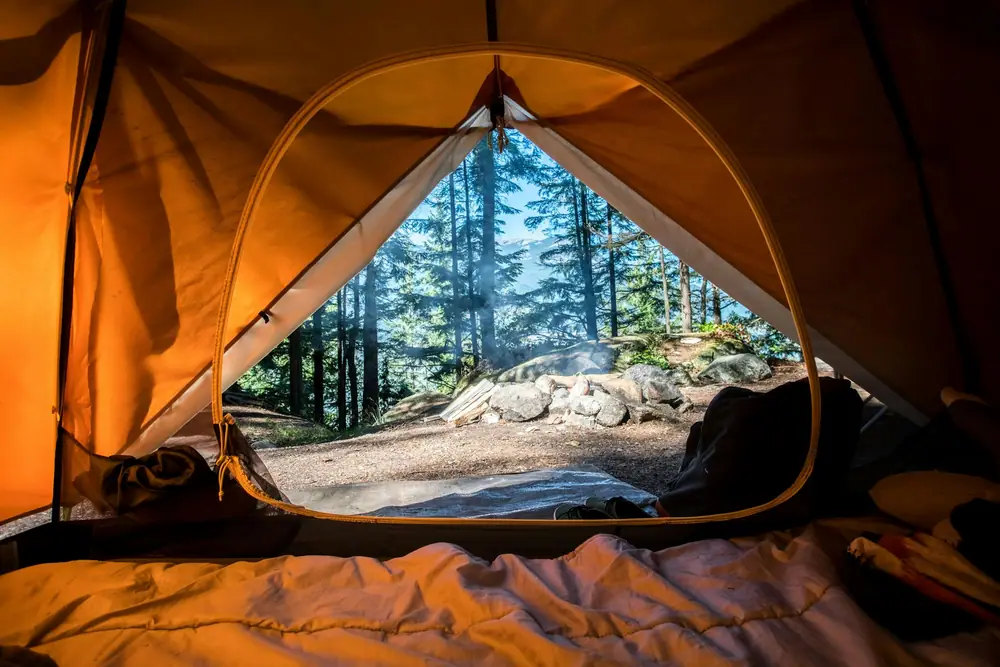
Your first night outside is less about gear and more about timing. Almost every rough first night we hear about has the same root cause: the camper arrived late, pitched the tent in the dark, could not find the headlamp, and went to bed cold and hungry. This checklist is built to prevent exactly that sequence.
It is deliberately short. It covers a single night at a drive-in campground with a restroom and a water spigot nearby, which is where we suggest every beginner starts. Check items off as you pack; your check marks are saved in this browser so you can come back later, and the print button gives you a clean paper copy for the car.
Shelter & sleep
Light & power
Water & food
Clothing
Before you leave home
On arrival, before dark
Why timing beats gear on night one
If you only remember one line from this page, make it this one: set up camp with two hours of daylight left. Pitching a tent is simple when you can see the pole sleeves and the color-coded clips. In the dark, with a headlamp beam bouncing around, the same job takes three times as long and everything that can go in backwards will. Arriving early also gives you time to notice a slope you missed, move away from a dead branch overhead, or walk to the restroom once so the night-time trip is familiar.
The bedside kit
Before you zip the tent for the night, put four things within arm's reach of your pillow: headlamp, water bottle, warm hat, and a spare layer. Most first-night wake-ups are about one of these four, and finding them without crawling around keeps the night calm.
The first evening, hour by hour
| When | What to do | Why it helps |
|---|---|---|
| Arrival | Check in, find the site, park, walk it once | You choose a tent spot before you are tired |
| +15 min | Pitch the tent, stake it, attach the fly | Shelter is done if the weather turns |
| +45 min | Beds laid out; clothing bag inside the tent | No fumbling later |
| +1 hr | Cook and eat while it is light | Easier dishwashing; fewer lost utensils |
| Dusk | Pack food away; set out headlamps | Keeps wildlife and neighbors happy |
| Bedtime | Bathroom trip, dry sleep clothes on, bedside kit ready | Fewer reasons to get up in the night |
What to expect when it gets dark
New campers are often surprised by how loud the outdoors is at night. Branches creak, small animals rustle through leaf litter, and a car door three sites away sounds like it is next to your head. None of this is a sign that something is wrong. Earplugs are a perfectly reasonable piece of camping gear, and many experienced campers never sleep without them.
You will also probably wake up once or twice. That is normal on a new surface in a new place. Have a sip of water, adjust your pad, and roll over. By the second night most people sleep far better, which is one reason we suggest booking two nights for a first trip rather than one.
The next morning
Open both tent doors to let condensation dry, shake out your sleeping bag and hang it over the car door in the sun, and make a short note of what you wished you had. That note is the start of your own personal checklist, and it will be more useful to you than any list written by someone else, including this one.