
Web Rental Fit · webrentalfit.com/checklists/campsite-etiquette-checklist.html
Campgrounds work because strangers share space politely. Most of the rules are posted on a board at the entrance, and the rest are simple common sense once someone points them out. This checklist covers both how to lay out your own site and how to be a good neighbor to everyone else.
Laying out the site
Boundaries
Noise & light
Fires & generators
Shared facilities
Pets & departure
A simple site layout that works almost everywhere
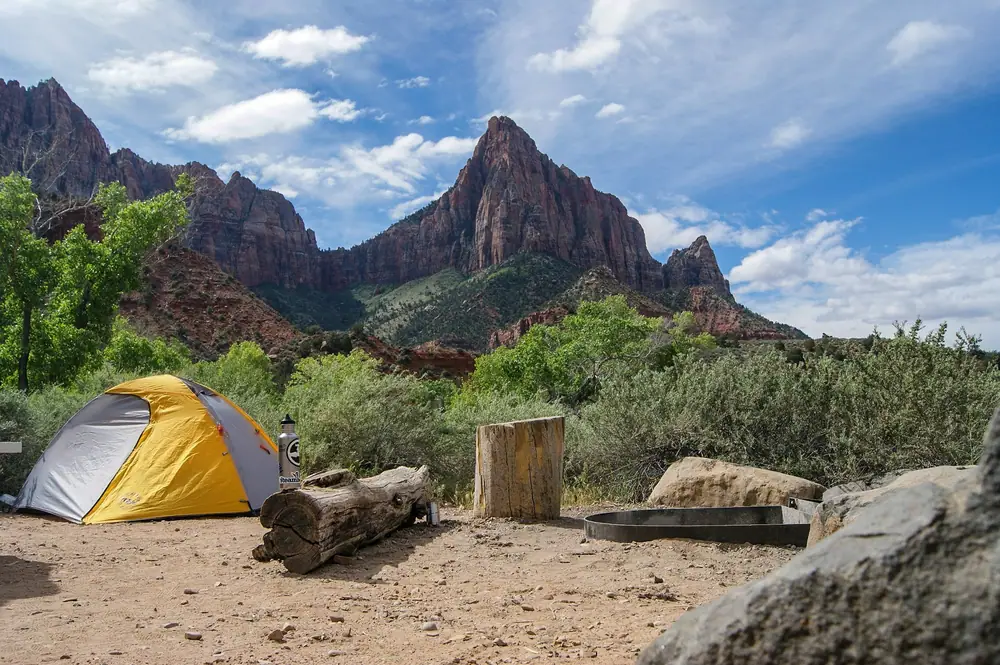
Think of your site as three zones: sleep, kitchen and car. The tent goes on the flattest, highest ground, ideally on the designated pad, with the door facing away from the prevailing wind. The kitchen stays at the picnic table so crumbs and smells are concentrated in one spot that is easy to clean. The car stays on its spur, and it doubles as your lock-box for food overnight where the campground allows that.
Quiet hours are the big one
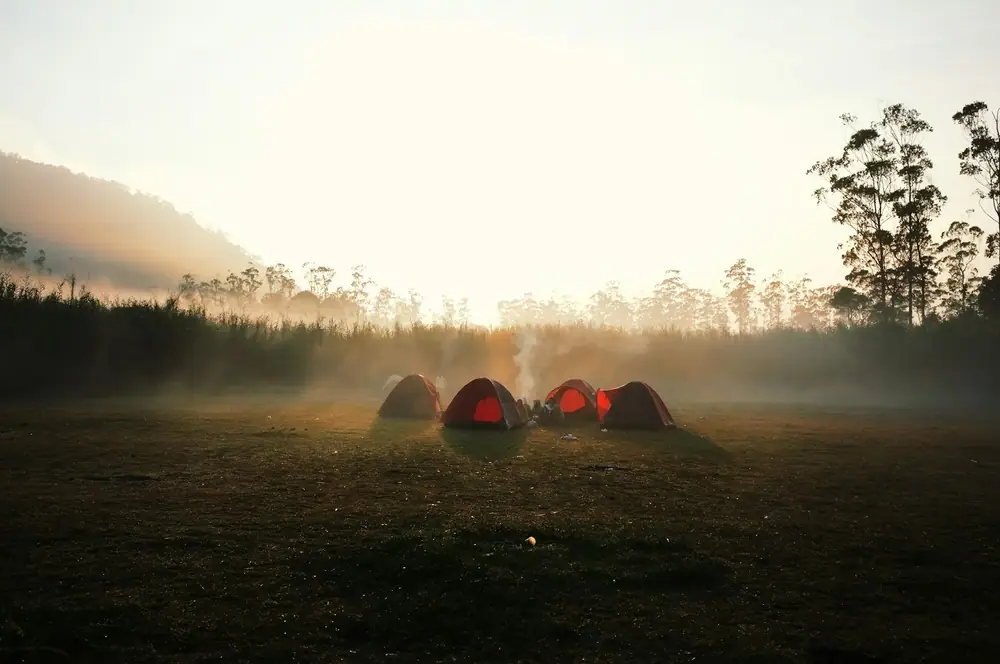
Most campgrounds post quiet hours, commonly running from around 10 p.m. to 6 or 7 a.m. During those hours voices should drop to a murmur, music goes off, and generators stop. Sound carries a long way across open ground and through tent walls, so a conversation that feels quiet at your fire may be perfectly clear two sites over. If you are an early riser, the same courtesy applies in the morning: pack the car slowly and keep doors and coolers from slamming.
Light etiquette
Bright white headlamps are the most common complaint new campers do not realize they are causing. When you look at someone, your beam goes straight into their eyes. Switch to low or red mode around camp and point the light at the ground when talking. Turn lanterns off when you go to bed, and do not leave them glowing all night; they attract insects and shine into other tents.
When a neighbor is too loud
If the posted quiet hours have started, a short, friendly word usually solves it. If that does not work, or if you feel uncomfortable approaching, contact the camp host or the campground office rather than escalating yourself.
Leaving the site
Before you drive away, do a slow walk across the site looking at the ground. Bottle caps, twist ties and food scraps are easy to miss and hard on wildlife. Make sure the fire ring is cold to the touch. Then look at the site as the next camper will see it. That is the standard to aim for.