
Web Rental Fit · webrentalfit.com/checklists/leave-no-trace-checklist.html
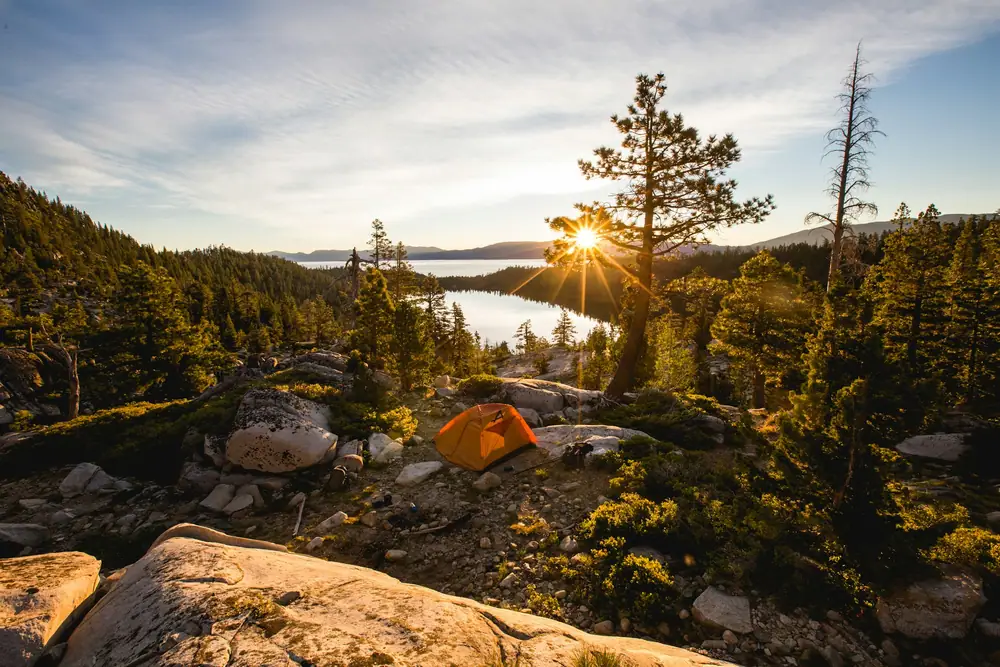
Leave No Trace is a set of seven outdoor-ethics principles published by the Leave No Trace Center for Outdoor Ethics and used by park services and outdoor groups widely. They are guidelines rather than laws, but many of them overlap with campground rules you are expected to follow.
The principles can sound abstract. This checklist turns each one into things a first-time camper at a developed campground can actually do.
1. Plan ahead and prepare
2. Durable surfaces
3. Dispose of waste properly
4. Leave what you find
5. Minimize campfire impacts
6 & 7. Wildlife and other visitors
Why it counts at a busy campground too
It is easy to assume leave-no-trace is only for wilderness backpacking. In practice, developed campgrounds see far more people per square foot, so small habits add up quickly. One camper leaving orange peels behind might seem harmless; a season of campers doing it teaches local animals to raid picnic tables. Raccoons, jays and in some regions bears learn fast, and animals that become used to human food can become a real problem for the campground and for the animals themselves.
Common beginner myths
| Myth | What actually happens |
|---|---|
| "Food scraps are natural, so they are fine to toss." | They take a long time to break down and attract wildlife to campsites. |
| "Burning trash in the fire gets rid of it." | Foil, cans and many packages do not burn fully; they leave residue for the next camper. |
| "A little soap in the lake does no harm." | Even biodegradable soap affects water life. Wash away from water sources. |
| "One small stone as a souvenir will not be missed." | Multiply by every visitor. Photos travel better. |
Putting a fire out completely
Stop adding wood well before bedtime so the fire can burn down. Then pour water over the embers, stir with a stick, and pour more water. Keep going until there is no hiss and no steam. Hold the back of your hand close to the ashes: if you can feel any warmth, it is not out. A fire that is "mostly out" can reignite in the night if the wind picks up.
The one-bag habit
Keep one small bag clipped to the picnic table for micro-trash: twist ties, bottle caps, the corner torn off a snack packet. Emptying it into the main trash each evening takes seconds and catches most of the bits that would otherwise end up in the dirt.
Wildlife at a developed campground
Squirrels, raccoons, birds and deer often live around campgrounds and can seem tame. Enjoy watching them, but keep your distance and never offer food, even a crust. Animals that learn to link people with food can become bold or aggressive, and in some areas that ends badly for the animal. Lock food and scented items away whenever you leave the site, even for a short walk, and after dark. Follow any posted rules about bear lockers or food storage exactly; they exist for a reason specific to that place.
You do not have to be perfect. Being aware of these principles and trying to apply them is exactly what most land managers hope for from new campers.